How Talking Flip Books Help Kids Learn (and Why They Work)
How Talking Flip Books Help Kids Learn (ages 3-10)
1) What Are Talking Flip Books?
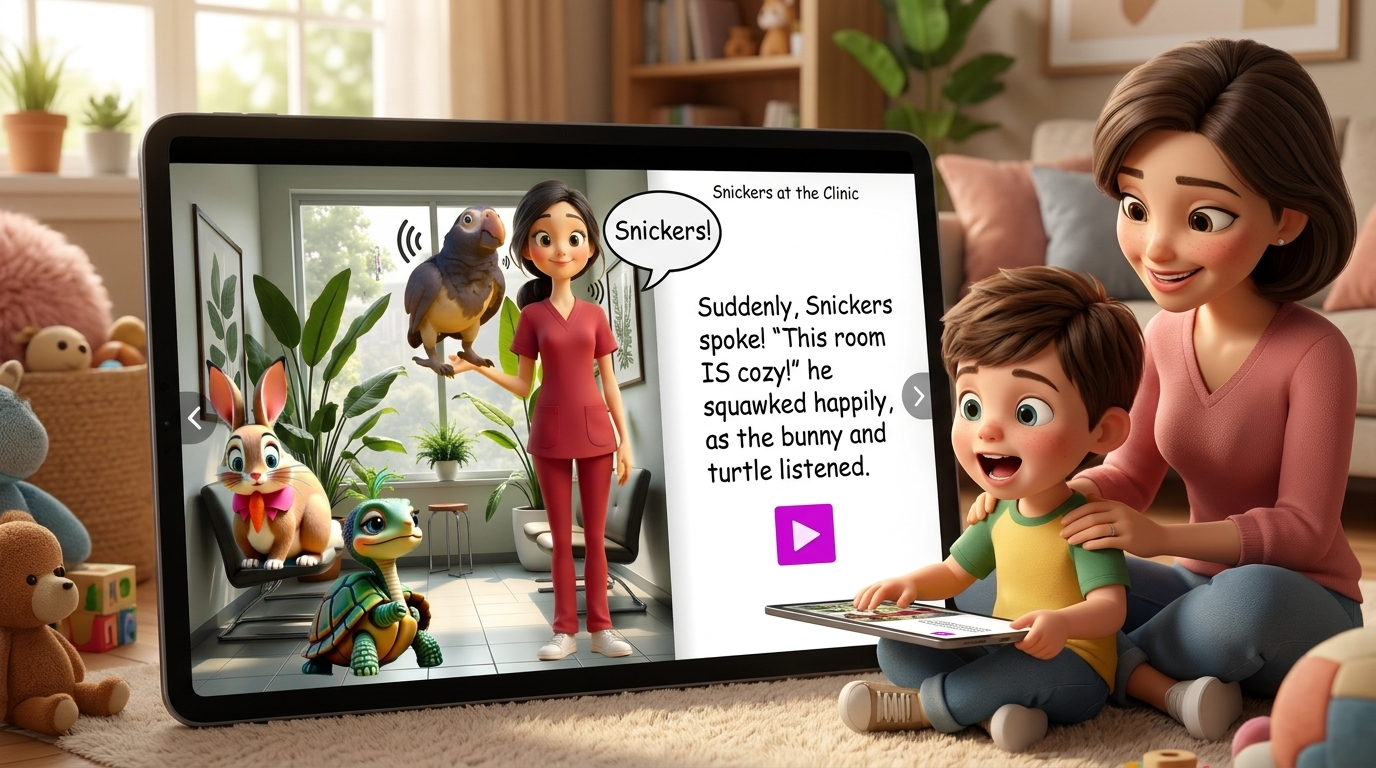
Talking flip books are interactive storybooks where children can press, tap, or flip pages to hear sounds, words, phrases, or mini lessons. Many include playful narration, guided prompts, and repeating audio that makes learning feel like play. Instead of passively reading, kids get to interact—which helps them stay engaged longer.
2) Success Rates: Why Many Families See Big Gains
While success can vary by child and content, many parents and educators notice strong improvements in areas like attention, vocabulary, and confidence after introducing talking flip books. Why? Because these books often support learning in multiple ways at once:
- Repetition (hearing the same words across pages helps retention)
- Instant feedback (audio turns curiosity into action)
- Multisensory learning (seeing + hearing = stronger memory)
- Motivation through fun (kids want to “make it talk” again!)
In other words, talking flip books can lead to noticeable progress—especially when used consistently and paired with conversation.
3) How Kids Learn With Talking Flip Books
Talking flip books support learning through a few key mechanisms:
- Language development: Children hear correct pronunciation and new vocabulary used in context.
- Listening skills: Audio requires kids to focus and process spoken information.
- Concept building: Many books teach colors, animals, letters, numbers, and real-life facts in a way that feels story-based.
- Memory and recall: Repeated page-to-audio matching helps kids remember what they learn.
- Oral confidence: Kids are more likely to try repeating words because the activity feels safe and game-like.
Over time, these small learning moments can add up to bigger gains in how a child communicates and understands.
4) Best for Different Ages (From Early Learners to Early Readers)
Talking flip books are useful across developmental stages:
- Ages 2–4: Focus on sound recognition, early vocabulary, and simple interaction (“What does it say when I flip?”).
- Ages 5–7: Strengthen reading readiness, letter sounds, and basic comprehension through narrated stories.
- Ages 8–10: Support independent learning with topics like animals, science facts, history, or vocabulary building—plus prompts that encourage discussion.
Even when a child can’t read yet, the audio helps them participate fully and build early literacy habits.
5) Tips to Boost Learning Success Even More
For the best results, try pairing the book with short, positive interaction:
- Ask simple questions: “What do you think happens next?” “Can you point to the ___?”
- Encourage repetition: Let your child press the button again and say the word together.
- Connect to real life: “That’s a frog—where have you seen frogs before?”
- Keep it upbeat: Celebrate effort, not perfection. Learning should feel joyful!
A quick 10–15 minutes a day can be more effective than occasional long sessions.
6) The Big Takeaway: Fun + Engagement = Learning Momentum
Talking flip books bring learning to life. They blend storytelling, sound, and interaction in a way that captures kids’ attention and supports growing skills—whether that’s vocabulary, listening, comprehension, or confidence. Most importantly, they turn reading into a shared experience where children feel capable and excited to learn.
If you’re looking for a positive, kid-friendly tool to support development, talking flip books can be a wonderful addition to your home learning routine.