Educational Books for Kids Ages 3–10: Why Reading Together Matters
Talking Nature Books for Kids
1) It Builds Essential Language Skills
Reading educational books with children helps them grow strong language foundations—vocabulary, grammar, and comprehension. When you read aloud, your child hears new words in context, learns how sentences are structured, and starts making connections between ideas. For ages 3–5, this is especially powerful because it supports early speech development and listening skills. For ages 6–10, it strengthens reading fluency and helps kids understand more complex text.
2) It Strengthens Brain Development and Learning Habits
Educational books aren’t just stories—they’re learning tools. They introduce concepts like numbers, letters, science facts, maps, emotions, and problem-solving. Regular reading also trains your child’s brain to focus and process information. As they grow, they begin to recognize patterns in stories and nonfiction topics, building the mental skills needed for school. Even just a few minutes a day can create a consistent learning routine that sticks.
3) It Creates Connection and Builds Confidence
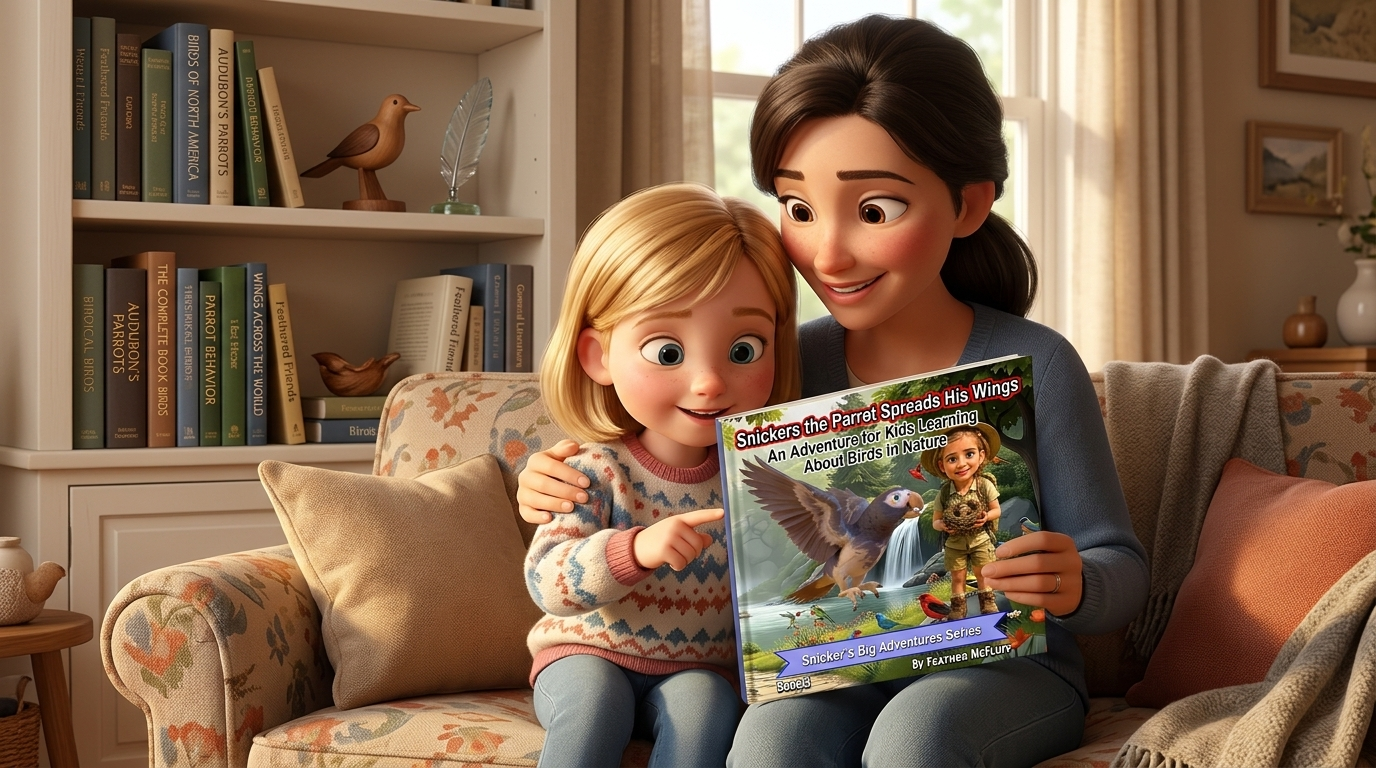
Reading together is one of the simplest ways to bond. Children feel safe and valued when you take time to share books with them. This emotional connection helps kids stay motivated and confident, especially when they encounter challenging ideas. For younger children, the comfort of familiar stories builds trust. For older children, discussion prompts—like “Why did the character do that?”—encourage them to think independently and express their ideas.
4) It Encourages Curiosity and Critical Thinking
Good educational books spark questions. Your child may wonder how plants grow, why weather changes, or how animals survive. When you read together, you can guide their curiosity by asking open-ended questions and encouraging them to explore answers. Over time, this supports critical thinking, because kids learn to interpret information, compare details, and draw conclusions—skills that matter across subjects.
5) It Supports School Success Across Multiple Subjects
Educational reading helps children practice skills that show up everywhere: phonics and vocabulary for literacy, math concepts for number sense, science themes for understanding the world, and history or geography basics for social studies. For children ages 3–5, picture books and early learning stories build readiness. For ages 6–10, chapter books, leveled nonfiction, and engaging educational series help reinforce what they’re learning in school while making it feel exciting.
6) It Helps Children Become Lifelong Readers
Perhaps the greatest benefit is that reading together can shape how your child feels about books long-term. When children associate reading with comfort, fun, and conversation, they’re more likely to choose books on their own later. As kids grow older, they may start selecting books independently, improving their self-directed learning. The habits you build now—reading, discussing, and enjoying stories—can last well beyond elementary school.
✅
Quick takeaway: Reading educational books with your children ages
3–10 boosts language skills, learning habits, confidence, curiosity, and school success—while creating a lifelong love of reading. 📖✨